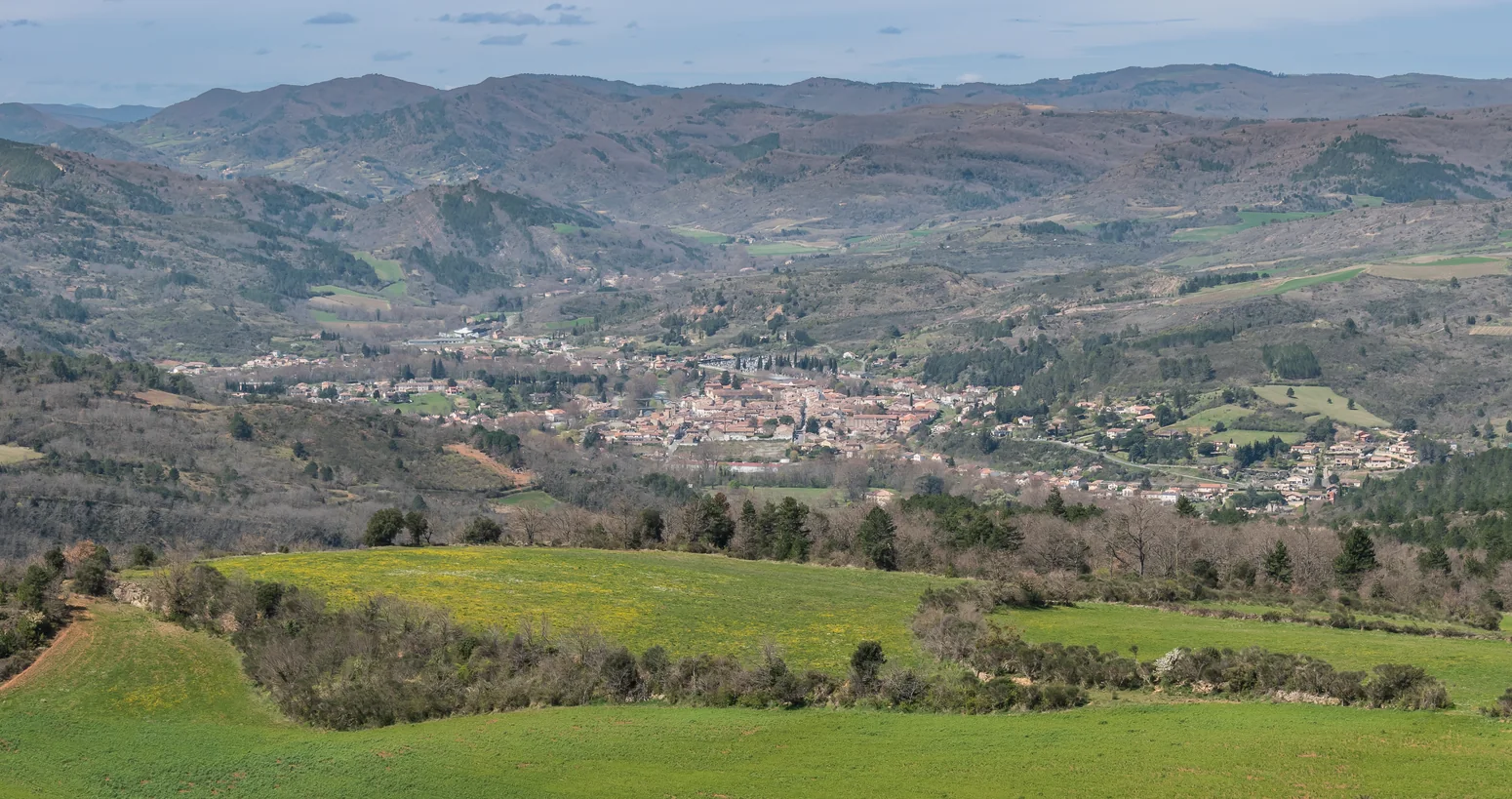
In Espéraza, a felt hat tells much of the village’s story. You can pick up the thread here, at the foot of the staircase, then follow the Aude to the neighbouring villages.
The house Espéraza Around the valley
A hatmaker’s house
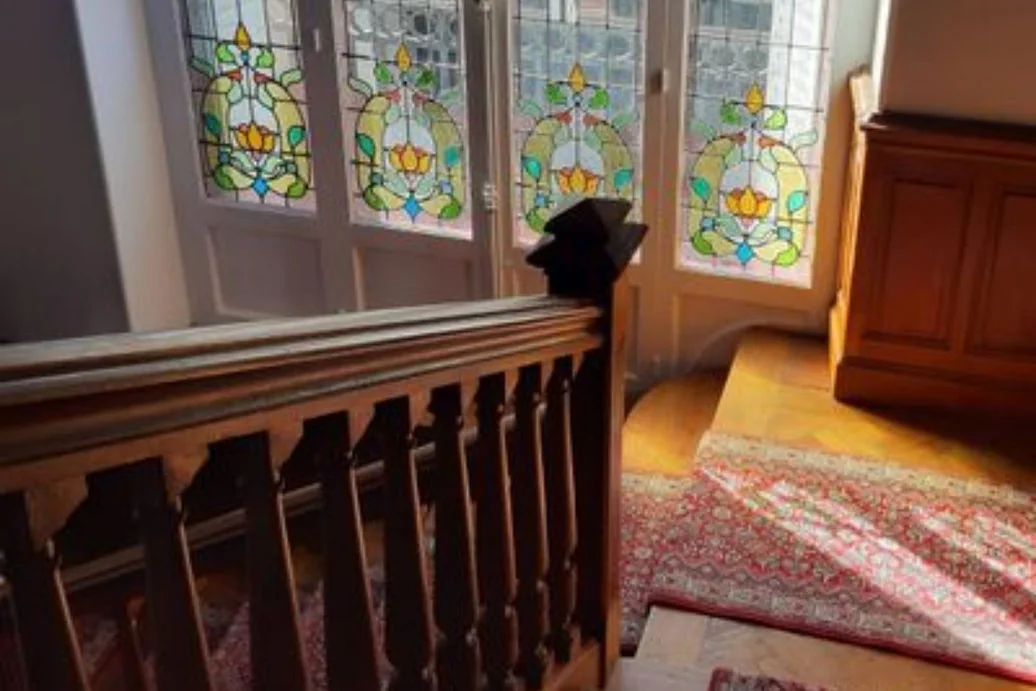
At 2 impasse des Chapeliers, brick frames the windows of the pale façade. Inside, a wooden staircase leads to a landing lit by floral stained glass. This is the more intimate side of hatmaking in Espéraza, the story of a manufacturer who chose this spot for his home in 1923.
At the time, much of the town earned its living in the felt factories. This mansion tells that story on the scale of a single household. Refurbished in 2002, it now welcomes guests. Upstairs, the parquet floors and fireplaces are worth a closer look before heading back down to the terrace and garden.
Espéraza, from river rafts to felt hats
Long before the factories, the Aude was a highway. From the Middle Ages, raftsmen known locally as carrassiers lashed logs into rafts and steered them downstream from Quillan to the plain. The timber heated houses, supplied beams and, from the 17th century, went to shipyards.
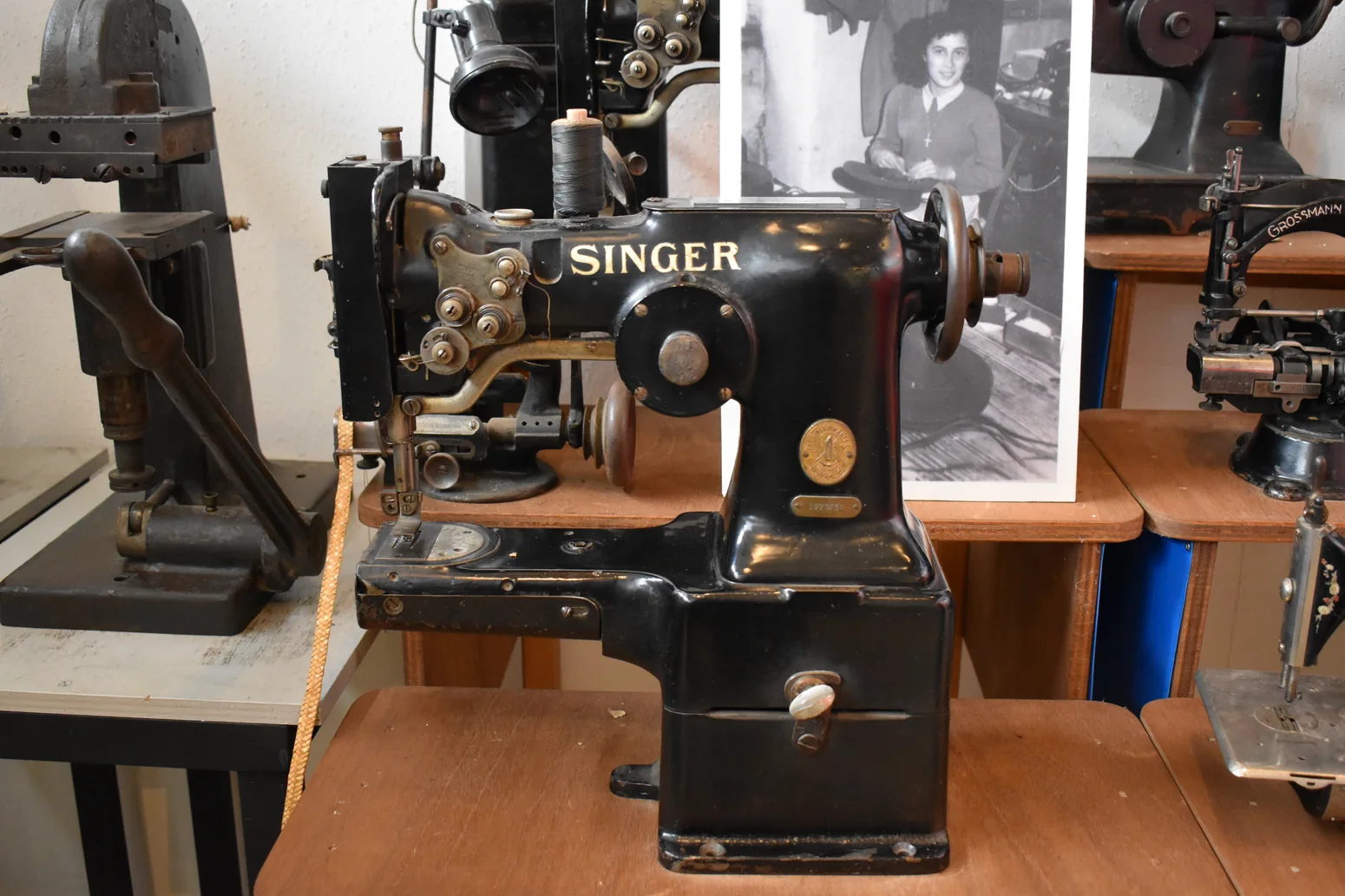
In the 19th century, the river also supplied water for washing wool. Hat workshops mechanised, and the railway opened up new markets when it arrived in 1878. By 1929, fourteen factories employed nearly 3,000 people. Then men increasingly went bareheaded. Orders fell and factories gradually closed. The hat museum preserves the machines and techniques that shaped each felt hat.
Espéraza is also home to Dinosauria. Excavations near the village have unearthed thousands of bones. Among them is the almost complete skeleton of a titanosaur nicknamed Eva after Eva Morvan, who discovered it in 2001.

In the villages of the valley
Rennes-le-Château and Abbé Saunière
Appointed parish priest in 1885, Bérenger Saunière set about restoring the church of Sainte-Marie-Madeleine. In the early 20th century he commissioned Villa Béthanie and the Magdala Tower. The crenellated tower looks like a watchtower, yet it housed his library. Its terrace looks out over the valley.
Decades after his death, in the 1950s, a local restaurateur, Noël Corbu, popularised the tale of a treasure said to have paid for the building work. The legend has drawn curious visitors ever since. The old presbytery, now a museum, brings the story back to the priest’s life and the buildings he left behind.
Couiza and the château of the dukes of Joyeuse
On the banks of the Aude, four round towers give Couiza’s château the air of a fortress. Its courtyard reveals a Renaissance residence. Jean de Joyeuse and Françoise de Voisins began building it in the 16th century. Today it houses a hotel.
Alet-les-Bains and its open-air cathedral
Further downstream in Alet-les-Bains, the stone arches near the river once belonged to a Benedictine abbey. Alet became the seat of a bishopric in 1318, and the abbey church became its cathedral. The 16th-century Wars of Religion left it in ruins. Beyond it, lanes wind beneath the overhanging upper floors of medieval houses.